Eco friendly removals in Twickenham reuse and donation tips
Moving house can feel like a strange mix of excitement and mild chaos. Boxes everywhere, a drawer full of cables nobody can identify, and that one chair you meant to sell three months ago. If you are looking into Eco friendly removals in Twickenham reuse and donation tips, the good news is that a move does not have to mean sending half your home straight to landfill. With a little planning, you can reuse more, donate what still has life left in it, and make moving day cleaner, calmer, and often cheaper too.
This guide walks through the practical side of greener moving in Twickenham: what to keep, what to pass on, how to sort items for donation, how to avoid common mistakes, and how to work reuse into the moving process without adding stress. A lot of people assume sustainable moving is complicated. Truth be told, it is mostly about making a few better decisions early.
Table of Contents
- Why Eco friendly removals in Twickenham reuse and donation tips Matters
- How Eco friendly removals in Twickenham reuse and donation tips Works
- Key Benefits and Practical Advantages
- Who This Is For and When It Makes Sense
- Step-by-Step Guidance
- Expert Tips for Better Results
- Common Mistakes to Avoid
- Tools, Resources and Recommendations
- Law, Compliance, Standards, or Best Practice
- Options, Methods, or Comparison Table
- Case Study or Real-World Example
- Practical Checklist
- Conclusion
- Frequently Asked Questions
Why Eco friendly removals in Twickenham reuse and donation tips Matters
When people think about moving, they usually focus on transport, boxes, and timing. Fair enough. But the hidden part is what happens to everything you no longer want. Sofas, lamps, books, kitchenware, clothes, office chairs, exercise equipment. If all of that ends up mixed together, it becomes much harder to reuse anything properly. And once it is mixed, it is often easier to throw it away. That is where a greener approach makes a real difference.
Twickenham is full of busy homes, flats, family properties, and long-term residents who tend to accumulate a surprising amount of usable stuff over the years. You know the feeling: one cupboard opens and suddenly there are spare duvets, old board games, three phone chargers, and a bread maker nobody remembers buying. Reuse and donation help you keep that useful material in circulation. It is simple, but it has a big effect.
There is also a practical reason. The less you move, the easier and often faster the move becomes. A lighter load means fewer boxes, less lifting, fewer trips, and less time spent untangling clutter at the other end. Eco-friendly removals are not just about being kind to the planet; they usually make your life easier on the day as well.
And for households trying to stay organised, donation planning can reduce stress in the final week. Instead of making last-minute decisions in a panic, you get a clean process: keep, donate, sell, recycle, dispose. Simple on paper, yes, but that structure saves a lot of hassle in real life.
Expert summary: The most efficient eco-friendly move is usually not the one with the fanciest label. It is the one where you sort early, donate carefully, and move only what genuinely needs to come with you.
How Eco friendly removals in Twickenham reuse and donation tips Works
The process starts before the van turns up. In practical terms, you decide which items are worth keeping, which can be reused, and which should be donated or recycled. Then you group those items into clear categories so they can be packed, collected, or passed on without confusion. A tidy system matters here more than people expect.
Here is the basic flow many households use:
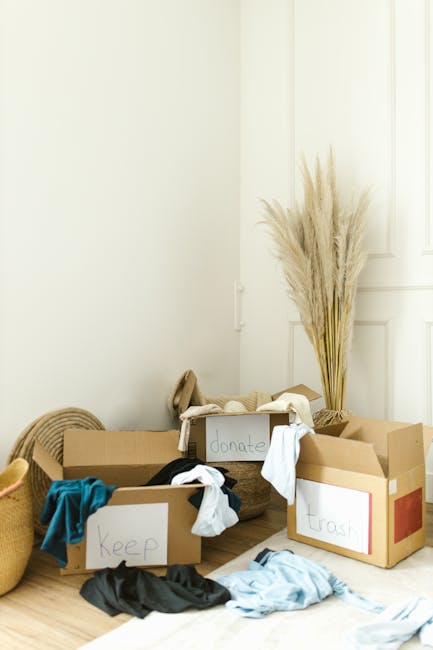
- Sort early. Start in rooms with the most clutter, such as lofts, cupboards, garages, and spare rooms.
- Separate by outcome. Keep, donate, sell, recycle, and dispose should be distinct piles, not one messy mountain.
- Check condition. Donation is best for items that are clean, complete, and still usable.
- Pack by category. Books with books, kitchen items with kitchen items, clothing in sealed bags or boxes.
- Label clearly. A simple label like "donate - kitchen" or "keep - bedroom" saves confusion later.
- Arrange collection or drop-off. Some items suit direct donation, others may need specialist handling.
That is the skeleton of it. The details depend on what you own and how much time you have. If you are moving from a flat in Twickenham with limited parking, for example, timing becomes important. If you are clearing a family home, room-by-room sorting matters more. If it is an office move, the focus may be on reuse of desks, chairs, screens, and archive storage. Different move, same principle: reuse first, disposal last.
One useful rule is to ask, would someone else reasonably use this as-is? If the answer is yes, donation or reuse is probably the best route. If the answer is "maybe after a deep clean and repair," then you need to judge whether that effort is realistic. Let's face it, nobody wants to donate a chair that needs three screws, a vacuum, and a prayer.
Key Benefits and Practical Advantages
Green moving is often talked about in broad environmental terms, but the day-to-day advantages are just as important. When reuse and donation are built into the move, you get a more organised process from start to finish.
- Less waste: Usable items stay in circulation instead of being discarded too soon.
- Less to carry: Fewer items means fewer boxes and less heavy lifting.
- Cleaner decluttering: Sorting before moving helps you avoid taking unnecessary clutter to the new place.
- Potential savings: Lower load volumes can reduce packing, transport, and disposal work.
- Better moving-day flow: Clearer sorting means fewer "where does this go?" moments.
- Community value: Donations can support local families, charities, or reuse networks.
There is also a psychological benefit that people do not always mention. Moving is emotional. Even a small move can stir up memories, decision fatigue, and that odd mix of nostalgia and urgency. Donating the right things can make the process feel lighter. You are not just getting rid of clutter; you are giving useful objects one more chapter. That sounds a bit sentimental, maybe, but it is true.
From a practical point of view, greener removals also make post-move unpacking easier. If you only bring the things you genuinely use, the new home feels settled sooner. Fewer boxes in the hallway. Fewer duplicate items in the kitchen. Less "why did we move this?" energy.
Who This Is For and When It Makes Sense
This approach works for almost anyone moving in or around Twickenham, but it is especially useful in a few common scenarios.
Homeowners and tenants decluttering before a move
If you have lived somewhere for more than a few years, chances are you have built up extras. Spare crockery, old books, unused furniture, seasonal items, and a whole stack of things that seemed useful at the time. Eco-friendly removals help you keep your load focused and intentional.
Families with mixed items in storage
Families often have a blend of children's items, furniture, toys, sports kit, and household goods. Some of it is still perfectly reusable. Sorting it properly means the useful stuff finds a new home, while the worn-out bits are handled separately.
People downsizing
Downsizing is a natural moment to think about reuse. A smaller space usually means less storage, so donation becomes a practical necessity, not just a nice idea. You need to be selective, and that is fine. In fact, it is usually freeing.
Landlords and letting transitions
End-of-tenancy clearances, furnished lets, and property refreshes can create a lot of reusable items. Good sorting helps reduce waste and can save time between occupiers. It also keeps the property turnaround cleaner, which landlords notice quickly.
Small businesses and home offices
Office chairs, desks, shelving, filing units, packaging materials, and old equipment often still have life in them. Commercial moves are a strong fit for reuse because many items are durable and can be redeployed with minimal effort.
If you are moving soon and already feeling behind, this is still worth doing. You do not need a perfect system. Even a basic three-pile approach is a decent start. Better to begin messy than not begin at all.
Step-by-Step Guidance
Here is a practical way to handle reuse and donation without turning moving week into a sorting marathon.
1. Start with the easiest rooms
Begin with storage spaces, lofts, cupboards, and guest rooms. These areas usually contain the biggest wins because they hide items you have not touched in months. Start there and you build momentum fast.
2. Make four clear categories
- Keep: Items going to the new property.
- Donate: Usable items in good condition.
- Recycle: Materials or items that should not be reused.
- Dispose: Broken, unsafe, or non-reusable items.
Some people add a fifth pile for selling. That is fine, but keep it realistic. If something has not sold online after a few tries, be honest about whether it is really worth the time.
3. Clean items before donating
Most donation routes prefer items that are clean, complete, and ready for use. A dusty lamp or a chair with crumbs in it is not the end of the world, but a quick wipe-down makes a real difference. Smell matters too. Nobody wants a donated blanket that still carries last winter's storage cupboard scent.
4. Separate soft furnishings and hard goods
Soft items like bedding, curtains, and clothes need different handling from furniture, electronics, or kitchenware. Grouping by item type makes loading and donation simpler. It also reduces the chance of damage during the move.
5. Check whether anything needs specialist handling
Some items should not be passed on casually. Broken electronics, stained mattresses, unsafe furniture, or anything with damage that affects use may need recycling or disposal rather than donation. If in doubt, be conservative. Passing on unusable items only creates work for the next person.
6. Label boxes and bags clearly
Use plain labels. "Donate - books," "keep - kitchen," "recycle - cables." That small bit of detail saves a ridiculous amount of time later. Seriously, it does.
7. Confirm collection or drop-off plans early
If you are donating by collection, arrange it before moving week gets hectic. If you are dropping items off, make sure they fit into your schedule and vehicle plan. A box of usable items that never leaves the hall is not a donation strategy. It is just more hall clutter.
8. Review again on the final pack day
Right before you close the boxes, do one last pass. This is when people often find duplicate kitchenware, old trainers, spare decorations, and "I forgot we had that" items. Small wins, but they add up.
Expert Tips for Better Results
Small decisions make a big difference on a move. In our experience, the people who have the calmest moving days are usually not the ones with the fewest belongings. They are the ones who made fewer rushed decisions.
Use the one-year rule carefully
If you have not used an item in a year, ask whether it genuinely serves your next home. This is a useful guide, not a law of nature. Seasonal tools, special occasion items, and long-life storage pieces may still earn their keep. But a lot of "just in case" items are really just in the way.
Think in terms of usefulness, not value
Some items are not worth much money, but they are still useful to someone else. A sturdy side table, a good baby buggy, or a set of kitchen storage containers can all have a second life. Value is not only about resale.
Keep donation boxes distinct from moving boxes
This sounds obvious, but it is where mistakes happen. If you mix donation and keep boxes, things get lost. Then you unpack in the new place and realise your winter boots have gone to charity. Annoying. Properly separate piles help prevent this kind of mix-up.
Photograph bigger items before they leave
If you are donating furniture or selling items, a quick photo record is useful. It helps you remember what went where, and for larger clearances it gives you a simple reference. Handy, nothing fancy.
Plan for awkward items early
Mattresses, wardrobes, old printers, and oversized shelving units need extra planning. They are the items that trip people up because they do not fit neatly into a box. Decide on them early, not at 10pm the night before the move.
Ask whether dismantling really helps
Sometimes flat-pack furniture should be left assembled if it is sturdy and easier to move that way. Other times, taking it apart is the only sensible option. The right answer depends on the item, the stairs, and the space you have. There is no prize for overcomplicating it.
Common Mistakes to Avoid
Most problems with eco-friendly moves are not dramatic. They are small oversights that create friction later. The good news is that they are easy to avoid once you know the pattern.
- Leaving sorting until packing day: This creates stress and poor decisions.
- Donating broken items: If it is unusable, it should not be passed on as reusable.
- Mixing recyclables with donation goods: That makes handling slower and more confusing.
- Holding on to "maybe" items too long: Indecision fills boxes.
- Not checking condition first: Dirty or incomplete items can get rejected.
- Forgetting special handling needs: Some items need separate planning.
- Assuming all charities take everything: They do not, and that is normal.
One common mistake in Twickenham moves, especially in flats, is underestimating access. Narrow stairwells, parking restrictions, and tight corridors can make a large item harder to move than expected. If a piece is awkward, decide early whether it is worth moving, donating, dismantling, or recycling. Waiting until the van arrives is not ideal. Bit too late then, really.
Tools, Resources and Recommendations
You do not need a huge toolkit to move sustainably. A few practical items and a bit of structure go a long way.
- Strong boxes and reusable bags: Better for safe packing and less waste than flimsy, overfilled boxes.
- Marker pens and labels: For clear sorting and quick identification.
- Cleaning cloths: Useful for a quick wipe before donation.
- Basic wrapping materials: For fragile reusable items like glassware or small electronics.
- Storage tubs: Good for keeping grouped items together.
- Checklists: Simple paper lists still work brilliantly, especially during a hectic move.
It also helps to use the company pages and information available before booking any move. If you want to compare moving options, review the available service pages such as removals, house removals, flat removals, or furniture removals depending on what you are moving. For a smaller or more flexible move, man with a van may suit lighter loads, while larger clear-outs may need a fuller moving setup.
If you are especially focused on reducing waste, it can also be useful to review the site's recycling and sustainability information alongside your donation plan. That gives you a clearer picture of how reusable and non-reusable items can be handled in a more responsible way.
Law, Compliance, Standards, or Best Practice
When moving and clearing items, the big thing is to handle waste responsibly. In the UK, householders still have a duty to make sure unwanted items are passed to legitimate routes, whether that means donation, resale, recycling, or disposal through proper channels. You do not need to become a regulations expert to do the right thing, but a bit of common-sense care helps.
Best practice is straightforward: do not leave bulky items dumped because they are inconvenient, do not hand over damaged goods as if they are reusable, and do not assume a collection will accept everything without checking first. If an item is electrical, hazardous, heavily soiled, or structurally unsafe, it usually needs a different route.
For removals, sensible operators also maintain clear policies around health and safety, insurance, payment security, and complaints handling. Those details may seem dry at first glance, but they matter when you want a professional, predictable service. If you are comparing providers, it is worth looking at pages like health and safety policy, insurance and safety, payment and security, and complaints procedure. Those pages tell you a lot about how seriously a company treats the basics.
Best practice also includes honesty. If an item is borderline for donation, err on the side of caution. That is not being wasteful; it is being respectful to the people who may receive it.
Options, Methods, or Comparison Table
There are a few different ways to handle reusable items during a move. The best one depends on time, item condition, and how much effort you want to spend.
| Method | Best for | Pros | Trade-offs |
|---|---|---|---|
| Direct donation | Clean, usable items in good condition | Fast, simple, socially useful | Not every item will be accepted |
| Resale | Higher-value items with broad appeal | Can recoup some cost | Takes time, photos, messages, and coordination |
| Reuse within family or friends | Furniture, baby items, practical household goods | Quick and personal | Needs coordination and transport |
| Recycling | Broken or non-reusable items | Keeps material out of general waste where possible | Requires correct sorting |
| Professional clearance | Large, mixed, or time-sensitive clear-outs | Efficient and organised | May cost more than DIY sorting |
In many Twickenham moves, the best answer is actually a mix of methods. A sofa may be donated, the dining table may go to family, the old printer may be recycled, and the worn-out mattress may need disposal. Real life is like that. Rarely tidy, but manageable.
Case Study or Real-World Example
Here is a realistic example based on a typical local move. A couple moving from a two-bedroom flat near central Twickenham had accumulated a surprising amount of mixed household stuff: a spare armchair, duplicate kitchenware, books, two bedside tables, a half-used set of storage boxes, and several bags of clothing.
Instead of packing everything blindly, they spent one evening sorting room by room. The good armchair and bedside tables were set aside for reuse. Kitchen items in good condition were cleaned and boxed for donation. Clothing was split between keep and pass-on bags. A few broken items and old cables were separated for recycling. By moving day, the van carried fewer boxes, the flat looked less chaotic, and unpacking in the new home took noticeably less time.
The useful part was not that they were especially organised, because they admitted they were not. What helped was deciding early and sticking to the categories. They also avoided the classic moving mistake of shoving questionable items into "maybe" boxes. That small discipline made the move smoother. Not glamorous, but effective.
Another practical lesson from moves like this is that reuse works best when you accept imperfect timing. You do not need to clear everything in one dramatic sweep. A few focused sessions, maybe one after work and another on a Saturday morning, are usually enough. The kettle goes on, boxes come out, and the job gets done.
Practical Checklist
Use this checklist in the run-up to your move. It is simple, but it keeps you on track.
- Sort each room into keep, donate, recycle, and dispose.
- Check donated items are clean, complete, and safe to use.
- Separate soft goods, furniture, and electrical items.
- Label all boxes and bags clearly.
- Set aside bulky or awkward items early.
- Confirm what can be donated and what needs another route.
- Use sturdy packing materials to protect reusable items.
- Arrange collection or drop-off before moving week gets busy.
- Review the move plan one final time the day before loading.
- Keep one small bag for last-minute reuse finds.
Quick tip: Keep a "donation corner" in one room. Once items go there, they are out of circulation and less likely to drift back into the keep pile.
Conclusion
Eco-friendly moving is not about being perfect. It is about making sensible choices with the things you already own. In Twickenham, where homes range from compact flats to larger family properties, reuse and donation can dramatically reduce the waste and stress that often come with moving.
If you plan early, sort honestly, and keep your categories clear, you will make the move easier on yourself and better for everyone else involved. That is the real win. Less clutter, less waste, fewer regrets after the van drives away. And honestly, it feels good to know useful things are going on to another home instead of being treated like rubbish.
Get a free quote today and see how much you can save.
If you are preparing a move and want a more organised route, take a look at the available moving and packing support, including packing and boxes and packing and unpacking services. A little help at the right moment can make all the difference.
Frequently Asked Questions
What counts as a reusable item during a move?
A reusable item is something that is still safe, complete, and functional enough for another person to use without major repair. Furniture, cookware, books, clothing, and some household accessories often fit this category if they are clean and in decent condition.
Should I donate items before or after the move?
Usually before the move, if you can. That keeps the load smaller and reduces packing time. If timing is tight, some items can be set aside for donation after you arrive, but pre-move sorting is usually cleaner and easier.
Can damaged furniture still be donated?
Only if the damage is minor and does not affect safe use. If a chair wobbles, a table is split, or a sofa is heavily worn, donation is usually not appropriate. In those cases, recycling or disposal may be more suitable.
How do I decide whether to keep, donate, or recycle something?
Ask three questions: do I still use it, would someone else want it, and is it still in usable condition? If the answer to the first is no but the second two are yes, donation is often best. If the item is broken or unsafe, recycling or disposal is more likely.
What items are hardest to deal with in an eco-friendly move?
Bulky furniture, old mattresses, electrical items, and mixed-material objects tend to be the trickiest. They need more planning because they are harder to donate casually and may need separate handling.
Do I need to clean items before donating them?
Yes, in most cases a quick clean is expected. It does not need to be showroom-perfect, but it should be presentable and usable. A little effort here improves the chance that items will be accepted and reused.
Is selling better than donating?
Not always. Selling can recover some value, but it also takes time, messaging, and collection coordination. Donation is often the better option when you want speed, simplicity, and less stress. For many people, that is worth more than a small payout.
What if I have too many items to sort on my own?
Then break the task into smaller sessions or look at professional moving support. Large clear-outs are easier when you have help with packing, loading, and handling awkward pieces. Trying to do it all in one rush rarely ends well.
How do eco-friendly removals help in a flat move?
Flat moves often involve tight access, stairs, and limited parking. Reducing the load makes the move smoother and safer. It also helps avoid wasting time on items you do not actually need in the new space.
What should I do with items that charities may not accept?
Check whether they can be recycled, reused locally, or passed to another suitable route. If an item is not safe or suitable for donation, do not force it. The greener choice is the honest one, not the optimistic one.
How far in advance should I start sorting for a green move?
Ideally two to four weeks before moving day, though even a week gives you a useful head start. The bigger the home or the more items you have in storage, the earlier you should begin. Little and often works well.
Can green moving save money?
It can, mainly by reducing the amount you move, pack, store, or dispose of. Savings are not guaranteed, but a lighter and better-organised move often costs less in practical terms. Less stuff, less hassle. It adds up.